Why is Storytime and Reading To Children Important?
Free read-aloud picks and printable reading activities, created by an experienced UK primary school teacher.
Why Is Story Time And Reading To Children Important?
What Is Storytime?
Storytime is a time when children can read a book, or enjoy listening to having a book read to them. It doesn't have to be an adult or a teacher that does the reading. Anybody can read a book to children - books can also be read aloud by siblings or friends (younger or older). It is a time when reading is modelled to children.
Why Read Aloud A Story?
Listening to somebody else read a story can be a very enjoyable experience. It can help children develop a special bond with the reader and encourage a child's love for books.
Having a story read to you, can make you listen to a story that you would never normally choose yourself. Children sometimes avoid reading or choosing books because they think it is too difficult for them, having the story read to them, takes the pressure off them and leaves them to simply relax and become engrossed in the story.
Helping Children Develop A Wider Range of Vocabulary
Listening to stories being read aloud can help children develop a wider range of vocabulary. They will be introduced to new words that they may not necessarily be able to read themselves.
The reader (adult, teacher or anyone who is reading the book) can pick out words they think the child may not understand and explain it to them. Alternatively, they can also pick out words that they think the child already knows and ask them to explain it in their own words. This in turn will also help with their spelling and sentence structure when writing. When speaking, they will also be able to construct sentence with increasing fluency.
How To Encourage Retelling and Recall Skills When Reading
Reading a story aloud to children means they can concentrate on what it happening in the story and become engrossed and interested in the characters. They can listen to the story without interruption - when reading by themselves they may need to keep starting and stopping, as they figure out how to read a word.
At the end of the story, the reader can ask questions to help recall key events in the story, such as: What happened at the beginning, middle and end of the story? Who were the main characters? Can you remember when ...? Children can go back to parts of the story to help them recall events. This in turn will also help develop children's speaking and listening skills.
Reading To Develop Creative Writing
Listening to stories being read will help children develop there ideas when writing. Ideas and plots from stories can be used within their own writing. It can also help children use new words and phrases they have learnt, in the context of their own writing.
Audible Free Trial
By regularly listening to stories, children develop the idea that stories have a beginning, middle and end, that stories usually have a problem that the characters need to resolve by the end of the story. This in turn will help them when writing their own stories.
Join Teach My Kids to gain access to English worksheets.
How To Help Children Develop A Love For Reading
Reading stories from a variety of authors and genres exposes children to a wide range of writing styles.
Over time it can help them realise the types of stories they enjoy and those they may not be particularly too keen on!
Children who have stories read to them regularly, often choose to read books by themselves without having to be told to read. They will often pick up the story they listened to and read it themselves independently. It can also encourage children to look for similar books when they visit the library, reading corner or their own library of books.
Browse and order story books
Some children may find it easier to read e-books or audible books that they can listen too.
Audible Free Trial
Kindle Free Trial
Read Aloud Books By Teach My Kids
Teach My Kids understands that it is not always possible to read to your children. Sometimes they just like it when someone else reads to them! It can also be difficult to get hold of a variety of books.
Visit Teach My Kids YouTube channel , where we have compiled a variety of stories read aloud. Children can follow the story in the video. If they have a copy of the story, they can read along with us.
Members of Teach My Kids can also access specially devised questions and discussion points for each story, to help develop children's understanding of the story. LogIn to your account to access story questions.
Join Teach My Kids to gain access to a whole year's worth of Maths and English worksheets.
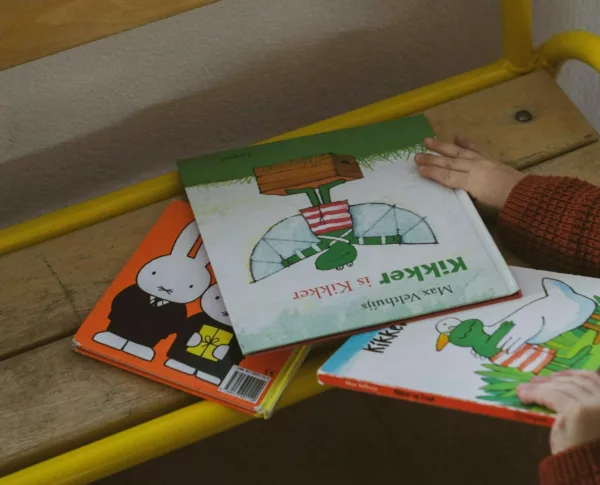
Photo by Sven Brandsma





Who makes the worksheets
Sunita
UK primary teacher
Every worksheet on Teach My Kids is made by Sunita, a UK primary school teacher with over ten years in the classroom. She writes each one by hand and maps it to the national curriculum, so what your child practises at home lines up with what they do at school. It's all on paper, not a screen, and takes about ten minutes a day.
Try the classroom freeStory time
Year groups
Set your child's year and their library unlocks.
Every year is mapped to the UK curriculum. Pick the year your child is in and that whole library opens up. Move it up as they grow, or drop back a year if they need to catch up.
From the kitchen table
From parents who already print at home.
Real parents, phonics through to SATs.
Putting Your Child's Education First


Worksheets by year and topic
- Reception maths worksheets
- Year 1 maths worksheets
- Year 2 maths worksheets
- Year 3 maths worksheets
- Year 4 maths worksheets
- Year 5 maths worksheets
- Year 6 maths worksheets
- Year 1 English worksheets
- Year 2 English worksheets
- Year 3 English worksheets
- Year 4 English worksheets
- Year 5 English worksheets
- Year 6 English worksheets
- Times tables worksheets
- Multiplication tables check
- Multiplication worksheets
- Division worksheets
- Fractions worksheets
- Decimals worksheets
- Percentages worksheets
- Place value worksheets
- Addition worksheets
- Subtraction worksheets
- Telling the time worksheets
- Shape worksheets
- Grammar worksheets
- Fronted adverbials
- Adverbs worksheets
- Nouns worksheets
- Verbs worksheets
- Adjectives worksheets
- Spelling worksheets
- Handwriting worksheets
- Phonics worksheets
- Phase 5 phonics
- KS2 SATs papers
- KS1 SATs papers
- Year 6 SATs
- Clauses
- Conjunctions
- Pronouns
- Determiners
- Modal verbs
- Apostrophes
- Punctuation worksheets
- Angles worksheets
- Symmetry worksheets
- Perimeter and area
- Rounding worksheets
- Roman numerals
- Negative numbers
- Money worksheets
- Sound buttons
- Tricky words
- Common exception words
- Browse all worksheets →
All rights reserved © Teach My Kids 2026. Site designed and built by BillyMedia